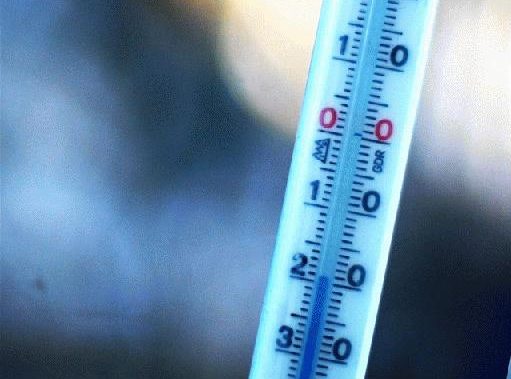
Be Prepared for the Next Winter Ice Storm … Before It Arrives
Last January, a family in a nearby Western North Carolina town woke up to a house that felt like a walk-in freezer.
The forecast had promised “just a little wintry mix of sleet and freezing rain,” but overnight, a thick coating of ice had formed on everything, completely surrounding their home. Fallen trees and downed power lines were everywhere.
Their steep driveway was also covered in a dense sheet of ice, effectively trapping the family without reliable heat or power for days—nearly a week
Why is Ice Such an Electric Grid Killer?
This type of weather is not uncommon here in Western North Carolina. While winter temperatures are not dipping as low as they once did, now all this warmer air holds in more moisture, which may make heavier ice storms more common.
Even “a little rain and sleet” can knock out your electricity for days while the power company works to reach and restore service to affected areas.
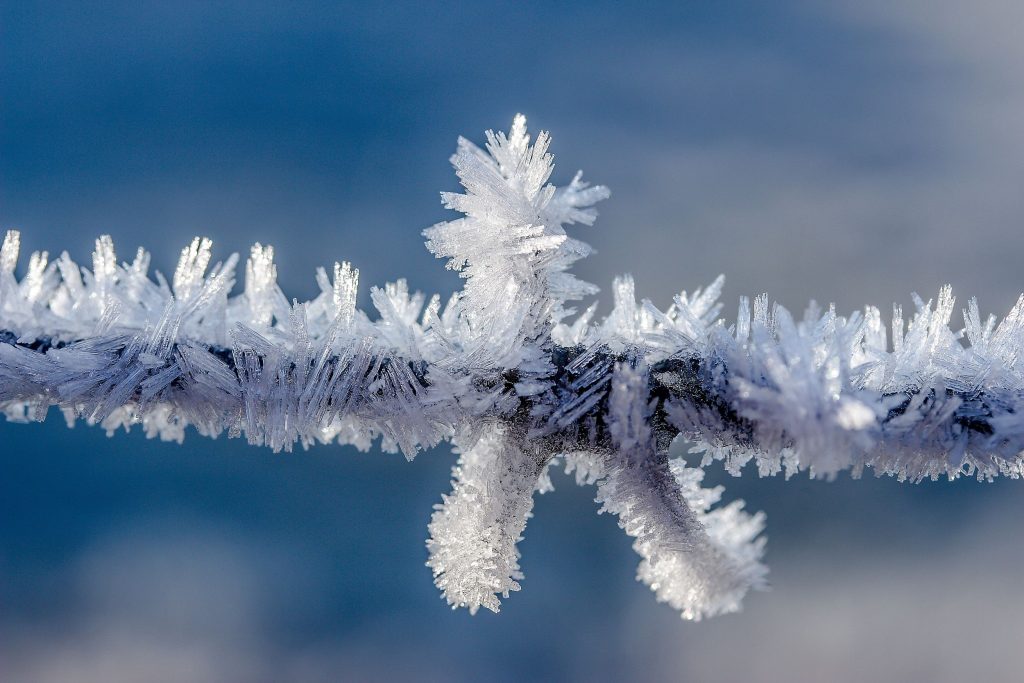
Ice can be tricky. It glitters on trees and dangles from power lines like fairy lights, but it is much heavier than snow.
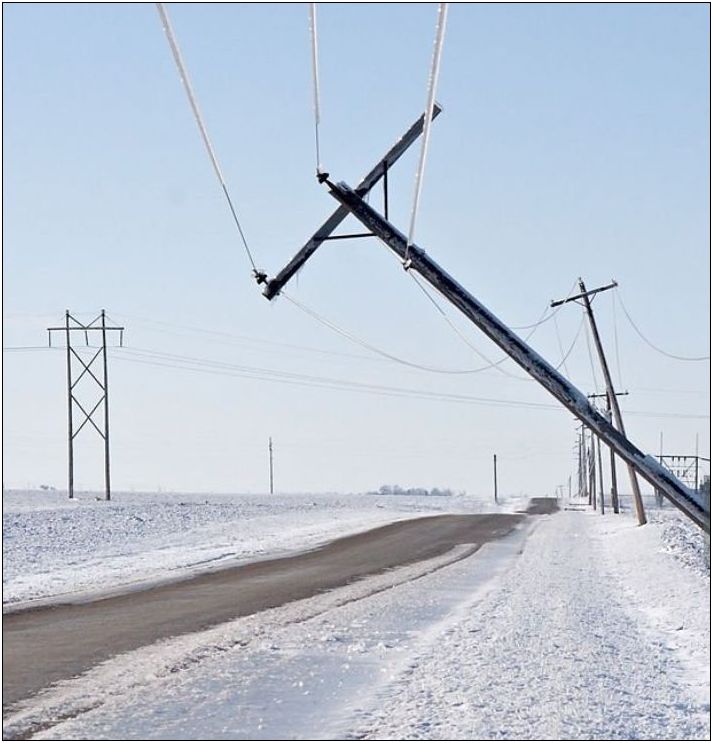
Did you know that as little as half an inch of ice can add roughly 500 pounds of extra weight to a power line? That is enough weight to make wires sag, snap tree branches, and, in severe cases, bring down power poles.
Not to mention the scars left by Hurricane Helene have created a new and potentially more dangerous winter reality for parts of the mountains. Landslides and catastrophic flooding has permamently altered the hillsides, embankments, and road shoulders throughout the region.
Ice is “stickier” than snow. Freezing rain when it turns into ice coats surfaces and load down tree limbs, electric lines, and roads within hours.
This matters more than ever here in the WNC mountains. Power crews worked tirelessly to rebuild damaged sections of the local electric grid in the months following Helene, and we are grateful for their heroic efforts.
However, in areas affected by erosion, shifting soil, or previous landslides,these mountain slopes can remain vulnerable.
Over time, these conditions may increase the risk of “slope failure”. This is just a fancy engineering term for possible landslides or mudslides, especially during heavy snow or prolonged freezing weather.
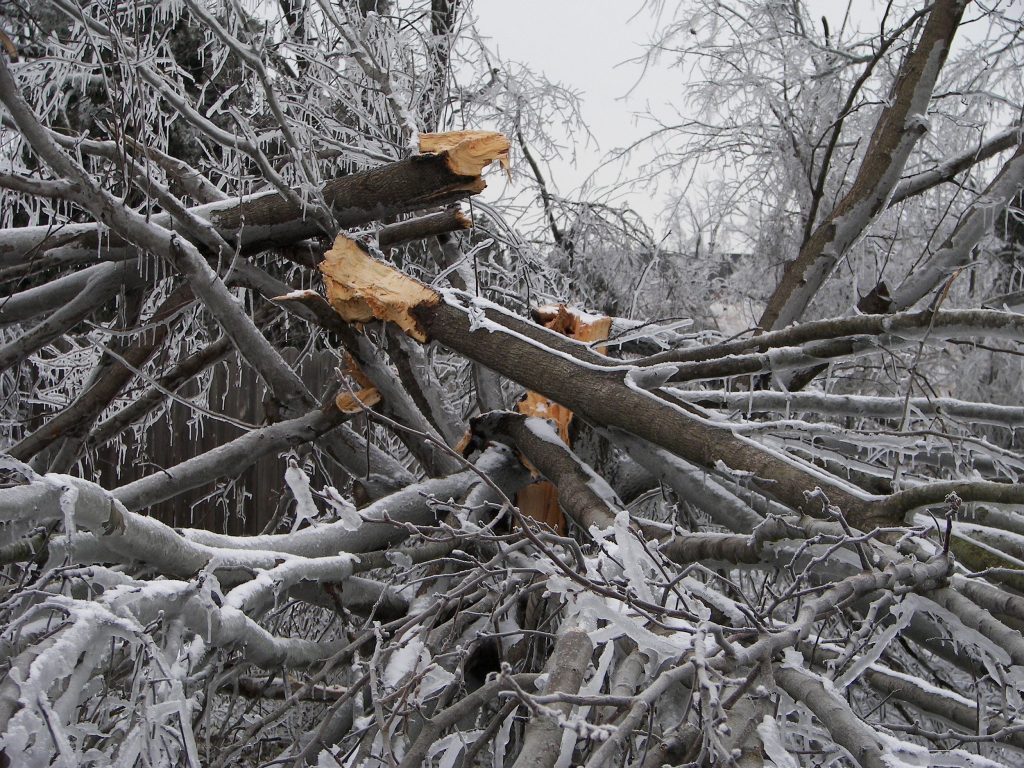
We’ve all seen the other Helene aftermath, a “weakened tree canopy”.
The Helene also toppled thousands of trees, leaving some of the remaining one more vulnerable to winter windstorms and freezing rain.
You have seen the ones I mean; the ones that are half-alive, green on one side but dead on the other, the ones with huge cracks, the ones that are leaning and the ones with exposed root-balls propped up against other trees.
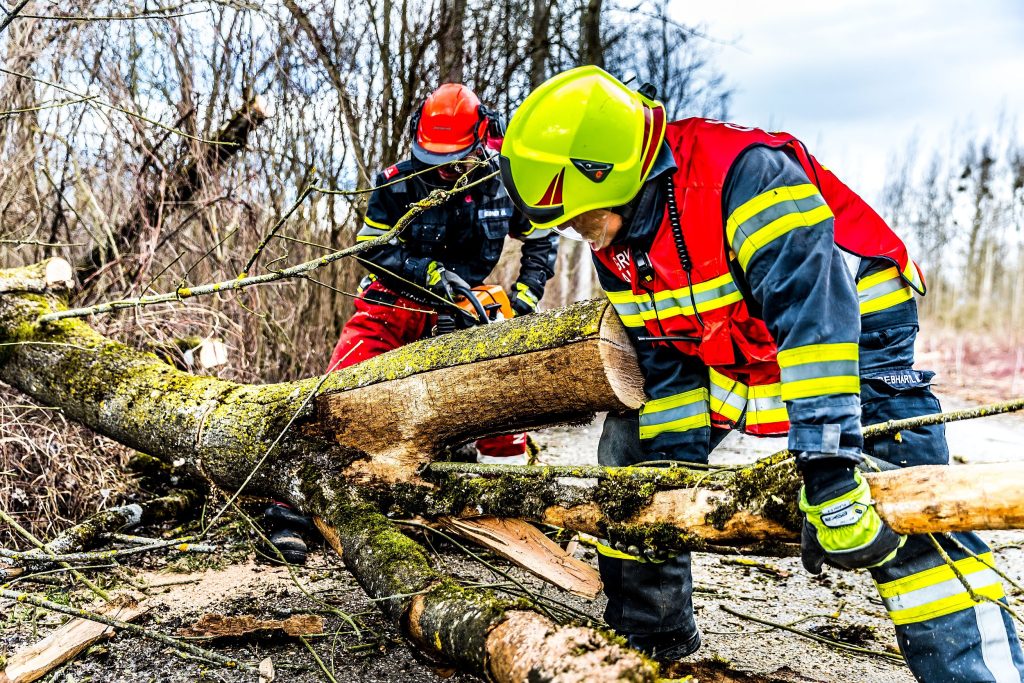
A “weakened tree canopy” like these trees are far more likely to fall under the next heavy load of ice during a storm.
Not to mention, unlike other regions in the state, the majority of homes here in Western NC rely on electricity for winter heat. The harsh truth is that after Helene, our region is at higher risk for grid infrastructure damage during bad weather.
Our power grid is just more vulnerable to ice storms, high-winds and heavy snow than before. This means we will probably have more widespread and longer outages in the coming years, IMHO.
One reason for this is that winter storms, especially storms with ice and freezing rain create “cascade failures.” For example, say a crew in your area comes to fix a downed power line. They rush to repair it and get the power back on so they can move on to the next problem.
But within hours, more ice and snow can fall, tearing down another line. OR causing a tree limb to snap, and fall. OR toppling a utility pole. OR even worse, blowing out a transformer, all in the same general area.
These types of failures can happen over and over for days, even weeks, even after the storm has ended. We all know that our mountain roads are difficult to drive on during or after a winter storm.
This means you and your family could be stuck sitting in the cold until your heat is restored.
So when there is a prolonged power outage, families like yours can quickly move from a little inconvenience to a multi-day heating crisis as your indoor temperatures drop.
Here’s what you can do to prepare…

Winter Ice Storm Action Plan
Before an ice storm
-
Trim hazard trees now: Have a tree cutter remove or cable up dangerous limbs near utility lines and near your home, especially trees leaning or cracked from Helene.
-
Stock essentials: Water, non-perishable food, flashlights, batteries, a battery-powered radio, and a plan for charging phones.
-
Prepare a backup heat source: Firewood is a better backup heat source than a generator because it needs no fuel, makes no noise, and never suffers mechanical failures. And can be used indoors.
-
NOTE: Our kiln-dried firewood provides you with a steady source of fire for cooking as well as warmth and light right inside your home, during even the longest power outage.
-
During an ice storm
-
Plan for extended outages: Treat any ice forecast as a multi-day event. Conserve phone battery and limit travel; roads will be treacherous.
-
Protect pipes: Let faucets drip slightly and keep cabinet doors open under sinks to allow warm air to reach pipes.
-
Use wood burning stoves safely: Only burn dry, seasoned firewood to heat your home safely during power outages. Keep curtains and bedding away from them; never leave fires unattended.
-
NOTE: Check your stove pipe or chimney for signs of creosote buildup, rust, cracks, loose connections, or warping from excessive heat. Kiln-dried wood is fully seasoned and greatly reduces the risks of creosote buildup.
-
After an ice storm
-
Report downed lines immediately and stay far away; treat all wires as live. Wait for the professionals to move them.
-
Check on neighbors: Especially elders and those with medical equipment dependent on power.
-
Let fires burn down: Allow remaining wood sticks to turn completely to ash rather than smothering or dousing hot coals rapidly with water, which can crack or damage even a cast iron stove.
-
NOTE: Remove the ashes once the stove or fireplace is fully cold. Inspect everything for cracks. Check any firebricks, the stove body, and door gaskets for any heat stress or warping caused by heavy continuous burning during the outage.
-
The bottom line: Helene didn’t just break things; it changed the whole Western NC environment when it comes to ice storm risks. Treat ice storms as the grid’s worst-case scenario and prepare accordingly. We invite you to contact us if you have questions about our kiln-dried wood or click to order online and stock up before Fall comes.